Adjusting to Slovakian Weather as a Student: Essential Tips
Contents
- Understanding Slovakia’s Climate
- Essential Weather Adaptation Tips
- Pack Appropriate Clothing
- Learn Weather-Related Vocabulary
- Prepare for Seasonal Transitions
- Understand Regional Variations
- Plan for Winter Conditions
- Summer Heat Management
- Time Your Activities Wisely
- Adjust to Central European Time
- Stay Updated on Weather Forecasts
- Embrace Indoor Activities
- Conclusion
- Take the Next Step with Study in Slovakia
Understanding Slovakia’s Climate
Slovakia’s temperate continental climate is characterized by distinct seasonal changes:
- Winter (December to February): Winters can be quite cold, with average daily temperatures around -2°C. The temperature may drop to as low as -15°C, especially during January, which is the coldest month. Expect snow, particularly in mountainous regions.
- Spring (March to May): Springs can be unpredictable, with gradual warming and variable weather conditions.
- Summer (June to August): Summers are generally warm, with average temperatures around 21°C and occasional spikes above 30°C. July and August are typically the hottest months.
- Autumn (September to November): Warm weather often extends into early autumn, but temperatures begin to drop as the season progresses.
The annual average temperature in Slovakia is approximately 10°C, with the country receiving about 25 inches of rainfall throughout the year. Understanding these seasonal variations will help you prepare accordingly.
Essential Weather Adaptation Tips
Pack Appropriate Clothing
Winter Essentials:
- Layering: Invest in thermal underwear and thick sweaters to keep warm.
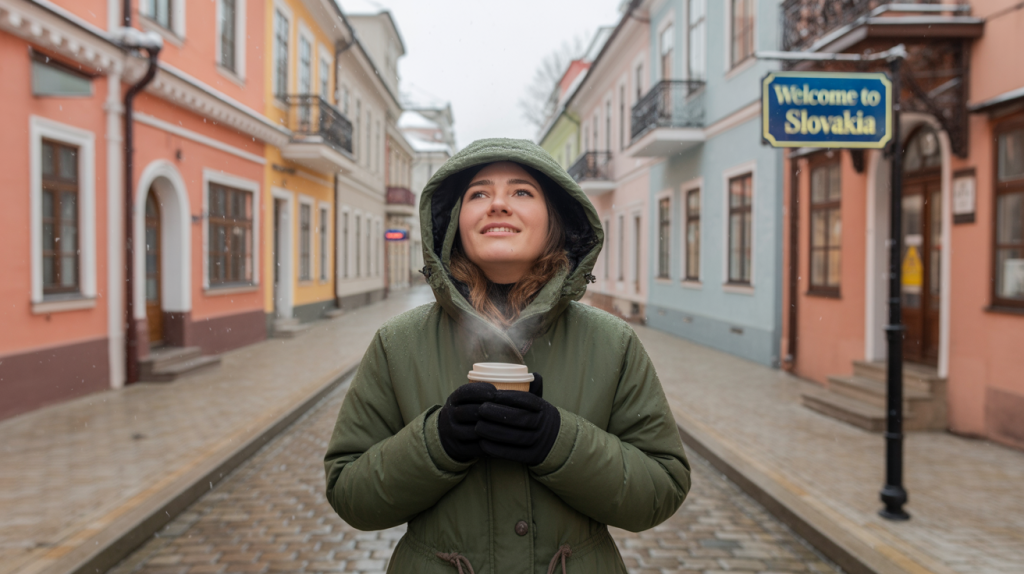
- Outerwear: A waterproof winter coat is crucial for snow and rain.
- Accessories: Don’t forget hats, gloves, scarves, and insulated boots to protect extremities from the cold.
Summer Gear:
- Light Clothing: Opt for breathable fabrics, but also bring a light jacket, as summer evenings may become cooler.
Learn Weather-Related Vocabulary
Familiarize yourself with basic Slovak weather terms to navigate forecasts and communicate with locals effectively. Key Slovak vocabulary includes:
- “počasie” (weather)
- “teplota” (temperature)
- “slnečno” (sunny)
- “oblačno” (cloudy)
- “veter” (wind)
- “dážď” (rain)
Prepare for Seasonal Transitions
Be aware that Slovakia’s weather can change rapidly, especially during spring and autumn. Prepare for daily fluctuations in temperature and conditions by dressing in layers and checking forecasts regularly.
Understand Regional Variations
Weather can significantly differ across Slovakia’s diverse regions. For example:
- Mountainous Areas: The Tatra Mountains experience a mountain climate with cooler temperatures and more precipitation compared to lowland areas. If you are studying in or visiting these regions, be particularly mindful of the weather and prepare accordingly.
Plan for Winter Conditions
From December to February, be prepared for snow and icy conditions, which can impact travel times. Allow extra time for commuting, especially if you’re studying in more rural or mountainous areas.
Summer Heat Management
During the peak summer months, temperatures can soar. Consider these strategies:
- Seek Higher Grounds: If the heat becomes overwhelming, visiting higher elevated areas can provide cooler temperatures.
- Stay Hydrated: Make sure to drink plenty of water and carry an umbrella for unexpected rain showers.
Time Your Activities Wisely
Optimal outdoor activity time falls mostly between mid-May and September when the weather is often pleasant. Plan any excursions, sightseeing, or outdoor gatherings to take advantage of the favorable conditions.
Adjust to Central European Time
Slovakia operates on Central European Time (CET), which is GMT+1. Daylight Saving Time shifts this to GMT+2 from the last Sunday in March to the last Sunday in October. Adjusting to this time difference can help synchronize your schedule with local customs and daily life.
Stay Updated on Weather Forecasts
Regularly checking local forecasts can help you plan your day effectively. Many apps and websites provide real-time weather updates, which can be particularly important during the winter or if you are planning excursions into the mountains.
Embrace Indoor Activities
In case of adverse weather, be ready with a list of indoor activities. Explore local museums, art galleries, libraries, or cozy cafes within your city. These venues can also be great places to meet new friends and experience local culture.
Conclusion
Adapting to Slovakian weather may seem daunting, but with the right preparations and mindset, you can navigate through each season with ease. By understanding and preparing for the country’s diverse climate conditions, you will not only make your study experience more enjoyable but also enrich your overall adventure in Slovakia.
If you are an international student, recruiter, or education professional looking for more tips or interested in collaborating with Study in Slovakia, feel free to contact us. We are dedicated to providing support and insights to help you and your students thrive in this beautiful country.
Take the Next Step with Study in Slovakia
Ready to learn more or start your journey? Explore further resources and opportunities with Study in Slovakia: