How to Prepare for Slovakian University Career Fairs
Quick Navigation
- Understanding the Importance of Career Fairs
- 1. Utilize University Career Centres
- 2. Know Your Purpose and Set Goals
- 3. Research Participating Employers
- 4. Prepare and Polish Your CV
- 5. Practice Your Introduction and Questions
- 6. Network Actively
- 7. Dress Professionally and Arrive Prepared
- 8. Follow Up After the Event
- Conclusion
- Take the Next Step with Study in Slovakia
Understanding the Importance of Career Fairs
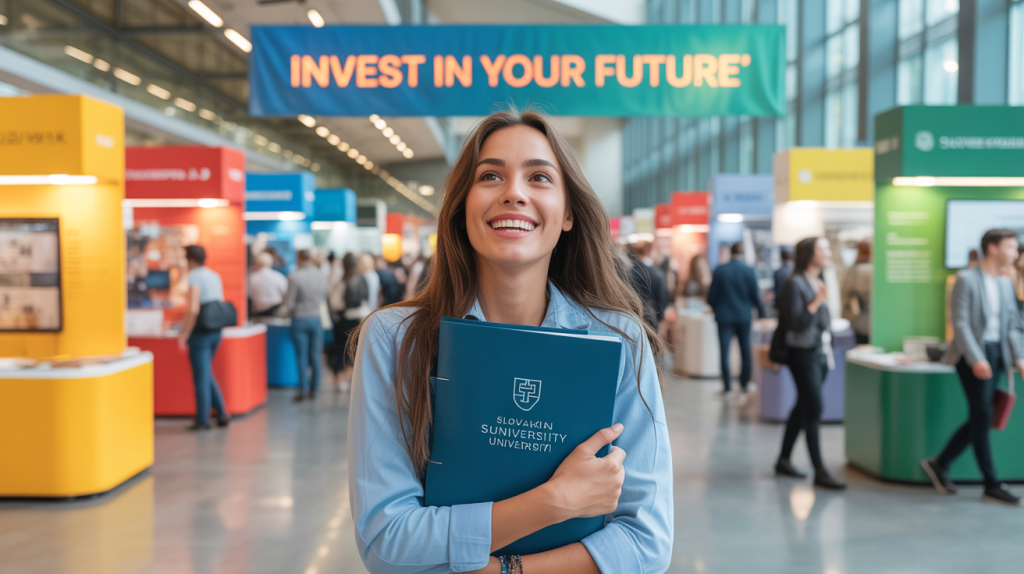
Career fairs offer invaluable opportunities for students to:
- Engage with potential employers
- Gain insights into industry trends
- Learn about various career paths
- Build a network of professional contacts
For international students, these events are particularly critical as they seek to establish themselves in a new job market. The proactive approach taken in preparation can make a significant difference in outcomes.
1. Utilize University Career Centres
Most Slovak universities have dedicated career centres that serve as important resources for students. These centres typically collaborate with local and international businesses, organizing career fairs and networking events. Here’s how to make the most of these resources:
- Check Schedules: Engage with your university’s career centre to obtain the calendar of upcoming career fairs.
- Participating Employers: Request a list of recruiters who will be present to prepare ahead.
- Workshops and Seminars: Take advantage of pre-fair workshops focusing on CV writing and interviewing techniques often offered by these centres.
Utilizing these resources ensures that you arrive informed and ready.
2. Know Your Purpose and Set Goals
Before stepping into a career fair, it is vital to have a clear understanding of what you hope to achieve.
- Identify Your Objectives: Are you exploring different career paths, seeking internships, or looking to secure a full-time position after graduation?
- Tailor Your Approach: With your objectives in mind, customize your interactions to align with your goals. This focus will enhance your networking and engagement efforts.
Setting measurable goals will guide your preparation while also prompting you to evaluate your progress post-event.
3. Research Participating Employers
Preparation extends beyond simply attending the event; it also involves extensive research.
- Create a List of Employers: Review the list of companies that will attend and prioritize them based on your career interests.
- Understand Their Profiles: Investigate their fields, job openings, and company culture.
- Prepare Questions: Formulate insightful questions that show your genuine interest, such as:
- What qualities do you seek in an ideal candidate?
- Can you describe the recruitment process?
- Are there any internship or graduate opportunities currently available?
Demonstrating this level of preparation reflects well on you as a potential candidate.
4. Prepare and Polish Your CV
Your CV is typically the first impression a recruiter will have of you. To ensure it leaves a positive impact, follow these tips:
- Update Your CV: Include your most recent skills, experiences, and academic achievements.
- Proofread: Ensure your CV is free from errors and is presented professionally.
- Bring Multiple Copies: Prepare several printed copies of your CV to distribute at the fair.
- Digital Version: Keep a digital copy ready for any recruiters who may request it.
Having a polished CV plays a crucial role in elevating your candidacy.
5. Practice Your Introduction and Questions
An effective introduction can differentiate you from other candidates.
- Craft a Personal Pitch: Prepare a concise summary about yourself, including your educational background, career interests, and relevant experiences.
- Engage with Prepared Questions: Engage recruiters with the questions you’ve prepared, showcasing your interest and curiosity.
Practicing these elements will enhance your confidence during the event.
6. Network Actively
Networking is one of the most significant advantages of career fairs. Besides applying for jobs, aim to expand your professional connections.
- Meet Industry Experts: Take the opportunity to engage with speakers and representatives.
- Exchange Contacts: Collect business cards and share your contact details with potential connections.
- Inquire About Company Culture: Understanding work environments and growth opportunities further enhances your insights into potential employers.
Building a robust network can provide ongoing benefits throughout your career.
7. Dress Professionally and Arrive Prepared
- Choose Appropriate Attire: Dress in clean, professional attire that conveys seriousness and respect for the recruitment opportunities.
- Be Organized: Arrive with a notepad for recording information and contact details. A well-prepared student is often viewed favorably by employers.
Preparation helps set the tone for successful interactions.
8. Follow Up After the Event
Post-fair engagement is a crucial component of career fair success.
- Send Thank-You Emails: Reach out to company representatives you interacted with, thanking them for their time and reiterating your interest in potential job opportunities.
- Maintain Professionalism: This follow-up reinforces your dedication and professionalism.
Building rapport post-event can assist you in standing out in a competitive job market.
Conclusion
An effective preparation strategy for Slovakian university career fairs involves a mix of utilizing available resources, setting clear objectives, conducting thorough research, and actively networking. By leveraging the vast array of services offered by Study in Slovakia, students can significantly enhance their readiness for these pivotal events.
If you are an international student, recruiter, or part of an academic institution looking to further your engagement in Slovak education, contact us today. Let’s explore how we can create opportunities for your future success together.
Take the Next Step with Study in Slovakia
Explore further resources and connect with opportunities that can propel your academic and professional journey in Slovakia.